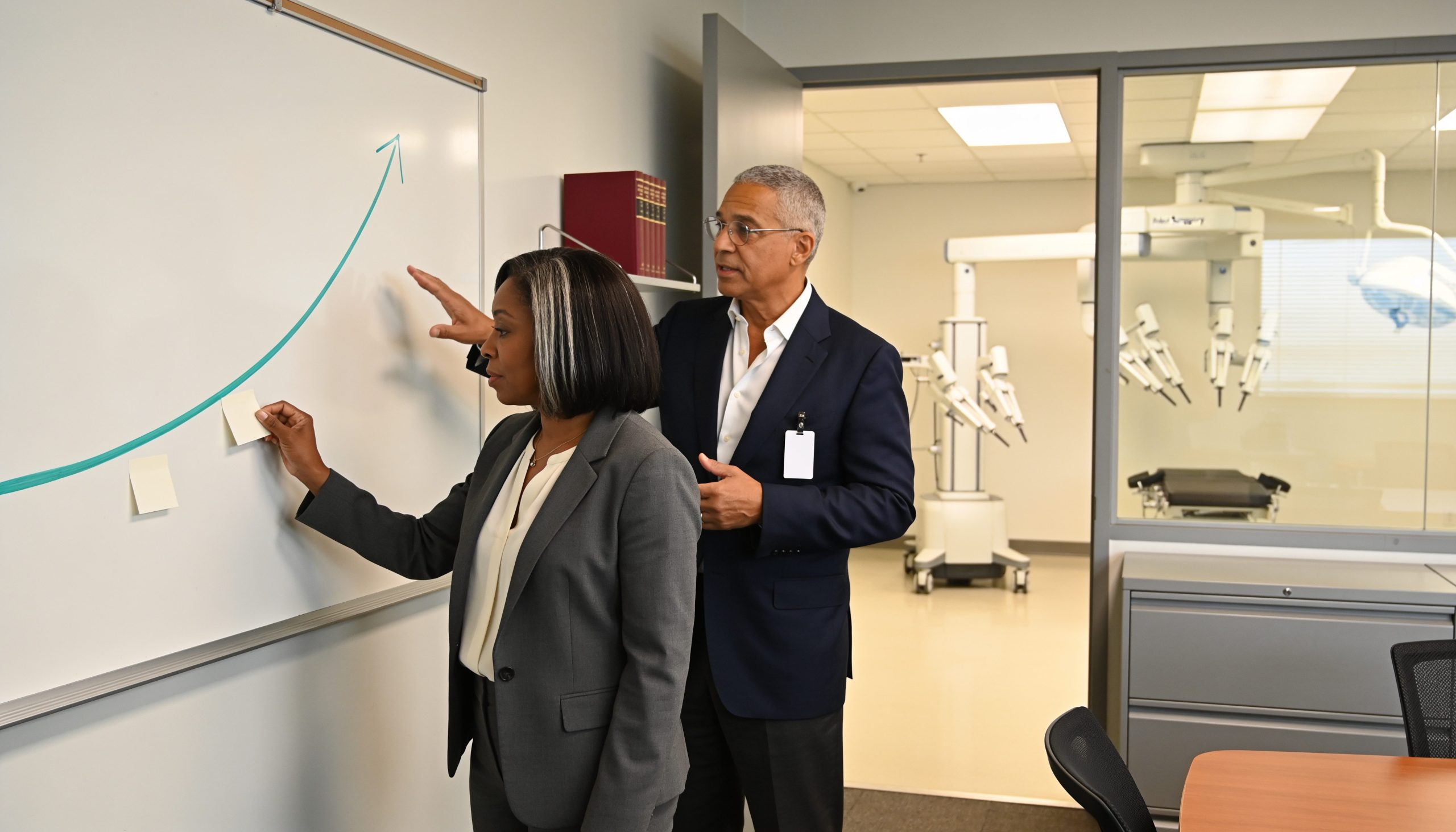

The 80/20 rule of SEO, also known as the Pareto Principle, says roughly 80 percent of your ranking results come from just 20 percent of your efforts. For San Antonio businesses, the high-impact 20 percent typically includes Google Business Profile optimization, fresh review generation, citation consistency, on-page local relevance, and technical SEO fundamentals. Spreading effort evenly across every available tactic is the single most common reason local SEO budgets underperform.
The challenge for San Antonio businesses is not working harder across every possible tactic. It is identifying the handful of high-impact strategies that move the needle while avoiding busywork that drains time and budget. The Pareto Principle gives you a framework for that prioritization.
In this guide, you will learn how to apply the 80/20 rule to both traditional search engines and emerging AI platforms, discover which specific activities consistently deliver the biggest returns for local businesses, and understand why strategic prioritization is the key to sustainable growth. The framework below is the same approach we apply to local SEO consulting clients across San Antonio's professional services, retail, and home services sectors.
Understanding the 80/20 Rule in SEO
The 80/20 rule, also known as the Pareto Principle, states that roughly 80 percent of your results come from 20 percent of your efforts. In SEO, this means a small fraction of your optimization activities drives the majority of your traffic, leads, and revenue.
For San Antonio businesses, identifying and focusing on this vital 20 percent can mean the difference between spinning your wheels on low-impact tasks and seeing measurable growth in local visibility. The challenge lies in knowing which activities belong in that critical 20 percent.
Table 1: Vital 20% vs Low-Impact 80% for San Antonio Businesses
| Vital 20% (Drives Results) | Low-Impact 80% (Maintenance or Skip) |
| Google Business Profile optimization | Generic directory submissions |
| Fresh review generation | Mass article spinning |
| Top-tier citation consistency | Random low-authority backlinks |
| On-page local relevance | Repetitive meta description rewrites |
| Technical SEO fundamentals | Constantly creating thin new content |
| Conversion rate optimization | Endless social media auto-posts |
What Constitutes the "Vital 20%" in Local SEO
For businesses serving the San Antonio market, the highest-impact activities cluster around visibility signals that search engines use to determine local relevance and trustworthiness.
Google Business Profile Optimization
Your Google Business Profile (GBP) is the single most important asset for local search visibility. Complete profile fields, accurate business name, address, and phone number (NAP), and high-quality photos form the foundation. Businesses with photos see 42 percent more direction requests.
Optimization does not stop at setup. Businesses that post two or more times weekly now see higher impressions than those with "set and forget" profiles. Regular Q&A engagement, weekly post updates, and a consistent review response protocol keep your profile active and relevant.
Review Signals and Management
Volume, recency, sentiment, and response speed all factor into how search engines evaluate your business. AI systems now read review content to extract service keywords and trust signals. One thoughtful response to a negative review can build more trust than dozens of positive ones.
For San Antonio service businesses, a steady flow of authentic reviews (5 to 10 per month) combined with prompt, personalized responses typically delivers more ranking impact than any other single activity.
Citation Consistency and Quality
Consistent NAP information across top-tier directories (Yelp, Google, TripAdvisor, and industry-specific sites) signals legitimacy to search engines. For local businesses, 20 to 30 quality local citations often outperform thousands of low-quality links.
Focus on the directories that matter most in your industry and geographic area. A plumber in San Antonio benefits more from a clean Angie's List profile than from hundreds of generic business directories.
On-Page Local Relevance
Title tags with location modifiers, H1 headers addressing local intent, and location-specific content (service pages for each area served) tell search engines exactly where you operate. Schema markup, particularly LocalBusiness schema, is critical for 2026 and beyond.
Internal linking between location and service pages concentrates relevance signals and helps search engines understand your service area coverage.
Technical SEO: The "Must-Have" Baseline 20%
Technical health forms the foundation that allows all other SEO efforts to work. Without it, ranking improvement plateaus regardless of content quality.
Core Web Vitals and Page Speed
Largest Contentful Paint (LCP) under 2.5 seconds, Interaction to Next Paint (INP) under 200 milliseconds, and Cumulative Layout Shift (CLS) under 0.1 are non-negotiable for 2026. Mobile responsiveness and crawlability complete the technical foundation. Google's Page Experience documentation defines the specific thresholds these metrics must meet to support strong rankings.
For local service businesses, slow mobile load times directly impact conversion rates. Over 60 percent of web traffic is mobile, and for local searches, mobile dominance is even higher.
Site Architecture and Crawlability
Fixing crawl errors, ensuring proper indexing via Search Console, maintaining clean URL structure, and aligning XML sitemaps often unlock 20 to 40 percent traffic gains without creating new content. These "invisible" fixes remove barriers that prevent search engines from understanding and ranking your site.
Full-width CTAs, 44-pixel tap targets, and forms with three fields maximum optimize for mobile conversion, the final step in turning visibility into revenue.
Content Strategy: The 80/20 Content Concentration
Most websites see 80 percent of traffic and leads come from a handful of pages. Instead of endlessly creating new content, smart businesses identify and optimize their high-performers.
Table 2: Content Activity Priority for the 80/20 Approach
| Activity | Priority Tier | Why It Belongs Here |
| Refreshing top-performing pages every 90 days | Top tier | Single pages often drive 50% of traffic |
| Targeting "striking distance" keywords (positions 5 to 20) | Top tier | Low effort, fast measurable wins |
| Building topic clusters around core themes | High tier | Compounds topical authority over time |
| Adding FAQ schema for AI citation | High tier | Captures emerging GEO traffic |
| Publishing daily blog posts on broad topics | Lowest tier | Dilutes authority signals |
Identify and Refresh Top Performers
Audit your analytics to find the 20 percent of pages driving most traffic and conversions. Refresh these high-performers every 90 days. Content decay is now measurable, and AI systems penalize stale information.
Update statistics, add new examples, expand sections that answer common questions, and ensure all technical elements (schema, internal links, images) remain optimized.
Keyword Concentration and Strategic Targeting
A small subset of keywords (often 10 to 20 percent) drives the majority of qualified traffic. Focus on keywords in "striking distance" (positions 5 to 20) rather than chasing high-volume, ultra-competitive terms early.
For a San Antonio HVAC contractor, ranking for "emergency AC repair San Antonio" (position 8) to position 3 delivers more qualified leads than creating content for "best HVAC systems" (position 67).
Topic Clusters for Authority
Build interconnected, comprehensive content clusters around core themes (a pillar page supported by detailed cluster pages) rather than isolated articles. Topical authority now directly influences both traditional search results and AI citation frequency.
For example, a pillar page on "HVAC Services in San Antonio" links to cluster pages on AC repair, heating installation, duct cleaning, and seasonal maintenance. This structure signals depth of expertise to both users and search engines.
Content Optimized for AI Citation
Answer multiple related questions on one page (semantic SEO leads to semantic GEO). Include FAQ schema, use comparison tables and "Top N" listicles, and ensure clean HTML hierarchy for AI parsing.
Citation is the new metric. For ChatGPT, Perplexity, and Google's AI Overviews, being cited as a source matters more than ranking number 1 in traditional organic results. Authority Solutions® approaches digital marketing for San Antonio businesses using proprietary frameworks and AI-powered local SEO that optimize for both traditional SERP visibility and AI citation across multiple platforms simultaneously.
Link Building: Quality Over Quantity
For local businesses, 80 percent of domain authority often comes from 20 percent of backlinks. One link from the San Antonio Express-News outweighs dozens from irrelevant sources.
Strategic Local Link Building
Build links from complementary local businesses, community organizations, and local news coverage. Scholarship programs, business spotlights, newsworthy partnerships, and broken-link reclamation on competitor profiles all generate high-value local links.
A chamber of commerce membership, sponsorship of a local youth sports team, or feature in a neighborhood business roundup delivers relevance signals that generic directory links cannot match.
Internal Linking Leverage
Strategically route internal link equity to your top 20 percent of pages, those targeting your highest-value keywords. Topic clusters with pillar-to-cluster and cluster-to-cluster linking concentrate authority more effectively than flat link structures.
Each service page should link to relevant location pages, and each location page should link back to relevant services, creating a web of relevance signals that reinforce your local expertise.
Conversion Optimization: The "Forgotten 20%"
Many businesses obsess over traffic while ignoring conversion rate. Small UX improvements often lift conversion rates 20 to 40 percent without driving additional traffic.
Reduce User Experience Friction
Form field reduction (ask only for essential information), CTA clarity ("Schedule Free Estimate" beats "Submit"), page load speed, and mobile responsiveness all impact whether visitors become customers.
Better conversion of existing traffic often beats chasing more traffic. A service page converting at 8 percent instead of 5 percent generates 60 percent more leads from the same visitor count.
High-Intent Page Optimization
Focus conversion improvements on bottom-of-funnel (BOFU) pages: service pages, pricing, comparisons, demos, and consultation request forms. Top-of-funnel content educates. BOFU content converts.
For San Antonio service businesses, your service area pages and primary service pages deserve the most conversion optimization attention.
Practical Budget Allocation for San Antonio Businesses
For local service businesses (plumbers, HVAC contractors, electricians, landscapers), the vital 20 percent is heavily skewed toward Google Business Profile, reviews, and local citations. These three activities can drive 60 to 70 percent of local visibility.
Table 3: Recommended SEO Budget Allocation for San Antonio Businesses
| Activity | % of Budget | Expected Impact |
| GBP optimization and review management | 40 to 50% | Highest visibility lift in 30 to 60 days |
| Local citations and schema markup | 20 to 25% | Foundational trust signals |
| On-page local signals and service pages | 15 to 20% | Long-term ranking compound |
| Technical SEO foundations | 10 to 15% | Removes invisible ranking blockers |
Multi-location businesses should prioritize location pages for each area plus GBP optimization for each location over broad content expansion.
Time-to-Results Expectations
Quick wins from on-page fixes, speed improvements, and GBP optimization typically show movement in 2 to 8 weeks. Keyword ranking improvements take 4 to 12 weeks for low-competition terms and 3 to 6 months for moderate competition.
Topical authority and backlink effects compound over 6 to 12 months, with defensible ranking positions requiring 12 to 24 months of consistent effort.
Key Takeaways
- The 80/20 rule in SEO means 80 percent of your ranking results and traffic come from just 20 percent of your efforts. Focus on strategic prioritization, not cutting corners. The other 80 percent of tasks still matter as supporting infrastructure.
- For San Antonio local businesses, the vital 20 percent consistently includes Google Business Profile optimization, review generation and management, citation consistency, and on-page local signals. These activities drive 60 to 70 percent of local search visibility.
- Most websites see 80 percent of traffic come from a handful of pages. Audit your analytics to identify high-performers and refresh them every 90 days rather than endlessly creating new content. Focus keyword efforts on "striking distance" positions for faster wins.
- Small conversion improvements often deliver bigger ROI than chasing more traffic. Reducing form fields, clarifying CTAs, and improving page speed can lift conversion rates 20 to 40 percent. Prioritize these fixes on your bottom-of-funnel service and pricing pages.
- Set realistic timelines: quick wins from GBP and on-page fixes show results in 2 to 8 weeks, while topical authority and backlink effects take 6 to 12 months to compound. Reassess your vital 20 percent quarterly as algorithms and competition shift.
- Citation matters more than rank position for AI search. Optimize for both traditional Google rankings and AI citation simultaneously to capture visibility across ChatGPT, Gemini, Claude, and Perplexity.
Example Scenario: Local HVAC Contractor in San Antonio
A typical San Antonio HVAC contractor starts with a generic website, incomplete GBP (no photos, no posts), minimal reviews, and scattered citations across directories.
First 30 Days: Foundation Building
Spend the first month completing GBP optimization. Add 15 high-quality photos showing trucks, technicians, completed work, and the service area. Post weekly updates about seasonal tips, promotions, or common HVAC questions.
Launch a review request campaign targeting 5 to 10 new reviews per month from recent satisfied customers. Audit and clean up the 8 most important citations (Yelp, Google, Angie's List, HomeAdvisor, and local San Antonio directories).
Expected Outcome
Within 60 days, expect a 40 to 60 percent increase in GBP interactions (calls, direction requests, website clicks). Improved local pack visibility lays the foundation for both paid ads and organic growth.
Months 2-3: Content and Authority
Refresh the top three service pages (AC repair, heating installation, maintenance) with local keywords, internal linking, and schema markup. Build 5 to 10 local backlinks through chamber membership, community sponsorships, and local media mentions.
This focused approach concentrates effort on the vital 20 percent that drives 80 percent of results, rather than spreading resources across low-impact activities. Every quarter, audit results and reassess. The 20 percent that worked last quarter may not be the same 20 percent that drives the next 90 days.
Conclusion
San Antonio's local SEO market rewards focus, not breadth. The businesses winning the Local Pack and capturing organic traffic are not doing more tactics than their competitors. They are doing fewer tactics, more consistently, and aimed at the right targets.
If you are ready to focus your SEO budget on what actually works for your San Antonio business, Authority Solutions® helps local companies identify and prioritize the 20 percent of activities that drive real results, from GBP optimization to AI citation visibility. Call 210-405-1741 to start your local SEO audit and start seeing measurable improvements in 60 to 90 days.
Frequently Asked Questions
What does the 80/20 rule mean in SEO?
The 80/20 rule, or Pareto Principle, says roughly 80 percent of SEO results come from 20 percent of efforts. In local SEO for San Antonio, that 20 percent typically includes Google Business Profile optimization, review generation, citation consistency, and on-page local relevance.
Which SEO activities have the highest ROI for San Antonio businesses?
Google Business Profile optimization, review generation toward 25+ reviews, citation consistency on top directories, on-page local signals, and technical SEO fundamentals. These five categories typically deliver disproportionate returns compared to general content marketing or social posting.
Should I create new content or improve existing pages first?
Improve existing pages first. Single powerhouse pages often drive nearly half of total organic traffic. Moving a page from position six to position two requires far less effort than ranking new content from scratch and produces faster, more reliable returns.
Why do reviews matter so much for local rankings?
Reviews drive both rankings and customer trust simultaneously. Volume, recency, sentiment, and response speed all factor into algorithmic evaluation. AI systems also read review content to extract service keywords and trust signals that influence AI Overview citations.
How do Core Web Vitals affect local rankings?
Core Web Vitals directly impact rankings and conversion. Pages loading under 2.5 seconds (LCP), 200ms (INP), and 0.1 (CLS) meet Google's thresholds. Sites with good Core Web Vitals show measurable increases in organic traffic and conversion rate.
What link types matter most for San Antonio local SEO?
Locally and topically relevant links carry the most weight. Links from the San Antonio Express-News, Greater San Antonio Chamber of Commerce, neighborhood publications, and industry associations outperform geographically distant or thematically unrelated links by significant margins.
How does conversion rate optimization fit into the 80/20 framework?
Conversion optimization belongs in the high-impact 20 percent because small UX improvements lift conversion rates 20 to 40 percent without requiring more traffic. Focus on bottom-of-funnel pages first: service pages, pricing, and consultation request forms.
What is generative engine optimization?
Generative engine optimization, or GEO, is the practice of optimizing content and structured data for AI-powered search platforms like ChatGPT, Gemini, Claude, and Perplexity. It complements traditional SEO and is becoming a frontier priority as AI search adoption accelerates.
How do I know which 20 percent applies to my San Antonio business?
Audit your analytics for pages already attracting traffic, keywords already driving conversions, and pages ranking just outside top positions. The momentum points are revealed by data, not guesswork. Reassess quarterly as algorithms and competition shift.
How long until I see results from this approach?
Quick wins from GBP and on-page fixes show results in 2 to 8 weeks. Citation building and review accumulation produce visible ranking shifts in 3 to 6 months. Topical authority and backlink effects compound over 6 to 12 months for defensible positions.
Schedule a consultation today.
Focus your local SEO budget today.